


Construction of an Industrial Hall
Building an industrial hall is not just about the construction work itself.
Construction of an industrial hall: What determines a project's success even before the first excavation
Building an industrial hall is not just about the construction work itself. Every successful project is preceded by a series of technical negotiations with the investor and by the design of technical solutions, which are subsequently reflected in the design and permitting processes. Correct decisions and a well-set construction management process have a fundamental impact on the completion date, the budget and the future operation of the building. In general, therefore, we can say that thorough preparation and the coordination of the individual stages are what determine today whether an investment can be carried out efficiently and without unnecessary complications.
The first and very important step towards the successful construction of an industrial hall is defining the investor's requirements. This phase is important in terms of defining the purpose of the building, the required capacities, the technological equipment, the logistics demands and the requirements for technical infrastructure. The quality of the input information has a direct impact on the subsequent phases of the project, especially on the design and permitting activities. The more precisely the investor's needs are defined right at the beginning, the more efficiently the technical solutions can be designed, and the more future changes during execution — which lead to increased costs and additional work — can be eliminated.
Well-prepared project documentation creates the foundation for successful execution
The investment plan is followed by design activities, beginning with the preparation of a study. In this phase, a general design of the project is created in visual and conceptual terms, which is then developed into a more detailed form at the levels of the building intent and the construction project. It is precisely at these levels of project documentation that the project receives the specific technical solutions intended for carrying out the construction. Within this stage, the individual trades are coordinated and the documentation required for the permitting proceedings and for the construction itself is prepared. Well-prepared project documentation helps to prevent technical clashes, simplifies the coordination of trades and creates the conditions for a smooth course of execution.
Permitting processes influence the project schedule
Part of the engineering activities is securing the necessary opinions, statements and permits. This stage includes communication with the authorities concerned, the operators of utility networks and other participants. This stage then moves on to communication with the building authority as part of the activities associated with the building intent and the verification of the construction project. The quality of the project documentation and experience in the field of engineering activities significantly influence the course of the permitting proceedings and help to prevent unexpected delays.
From earthworks to the enclosure of the building
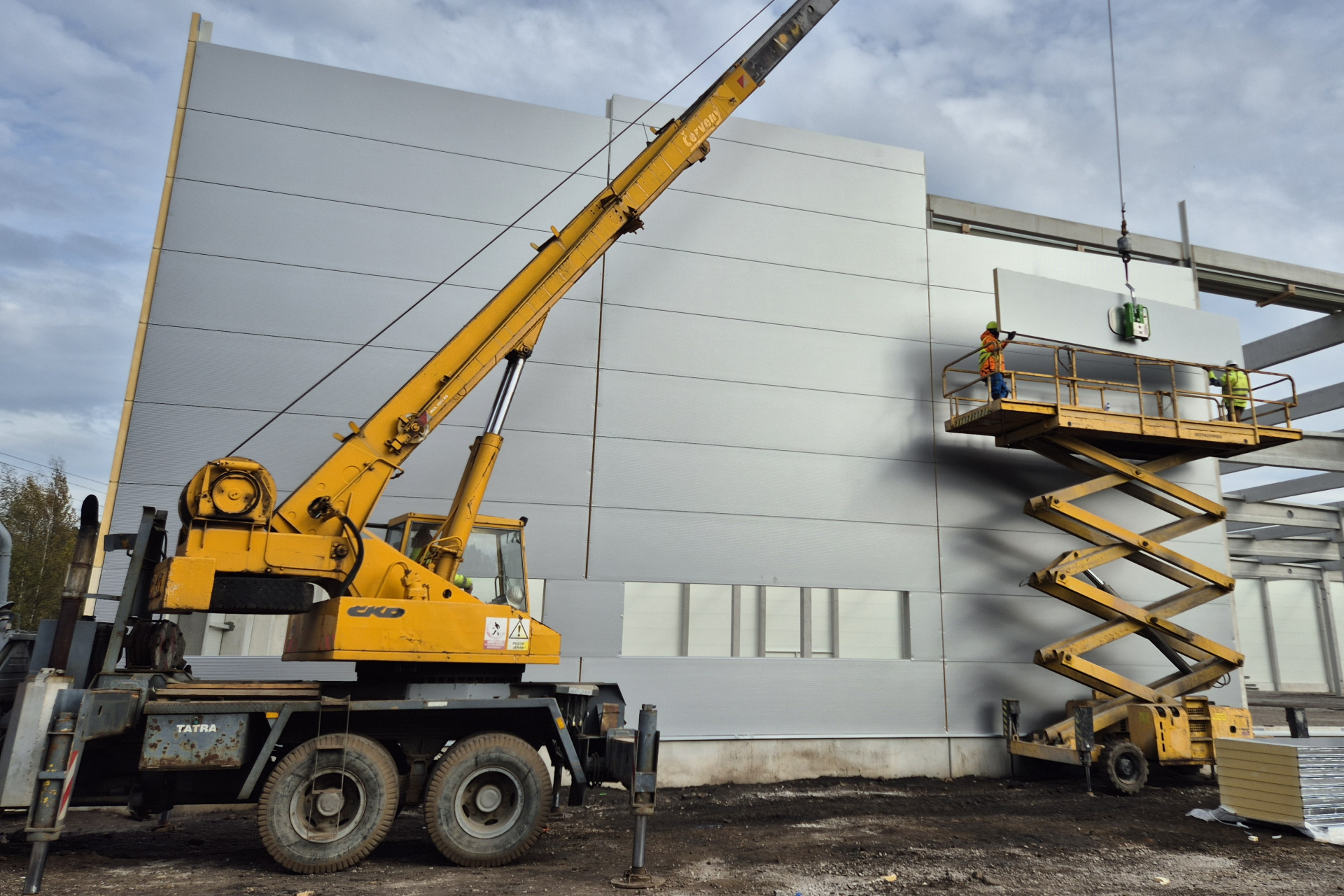
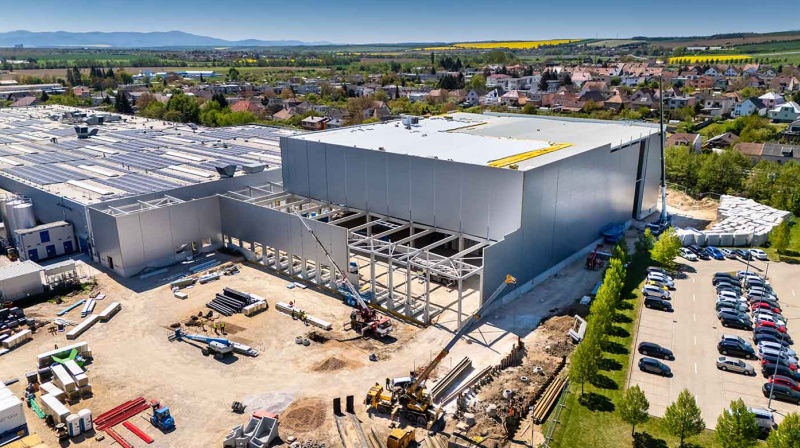
Following the successful permitting proceedings, the project moves on to the next phase, namely the execution phase. Construction begins with the preparation of the site and proceeds, as standard, with earthworks and foundation work, followed by the assembly of the load-bearing structure, the installation of the roof and façade cladding, and the gradual enclosure of the building. It is precisely at this stage that the hall takes on its final form and space is created for the installation of technologies and for the interior trades.
Technologies determine the future operation
Once the main construction part is completed, the installation of the building's technical equipment follows, which includes electrical installations, heating, air conditioning and ventilation, plumbing, fire protection systems and other technologies according to the requirements of the specific operation as set out in the project documentation.
The coordination of the individual trades is crucial in this phase for ensuring the functionality of the building and meeting the investor's operational requirements.
The project does not end with the final building approval
Before the handover of the building, functional tests of the technologies, verification of the technical parameters and the preparation of the documentation required for the final-approval proceedings and the final handover of the building take place.
After the successful completion of the final approval, the building is ready to be put into operation. The resulting quality of the building, however, depends on all the preceding stages of the project. The better the design, engineering and execution are interconnected, the more efficiently the schedule, the investment costs and the quality of the final work can be managed.