



General Contractor of the Construction

3 Benefits of a General Contractor: Why Is It Worth It?
Self-managed construction coordination – expectation versus reality
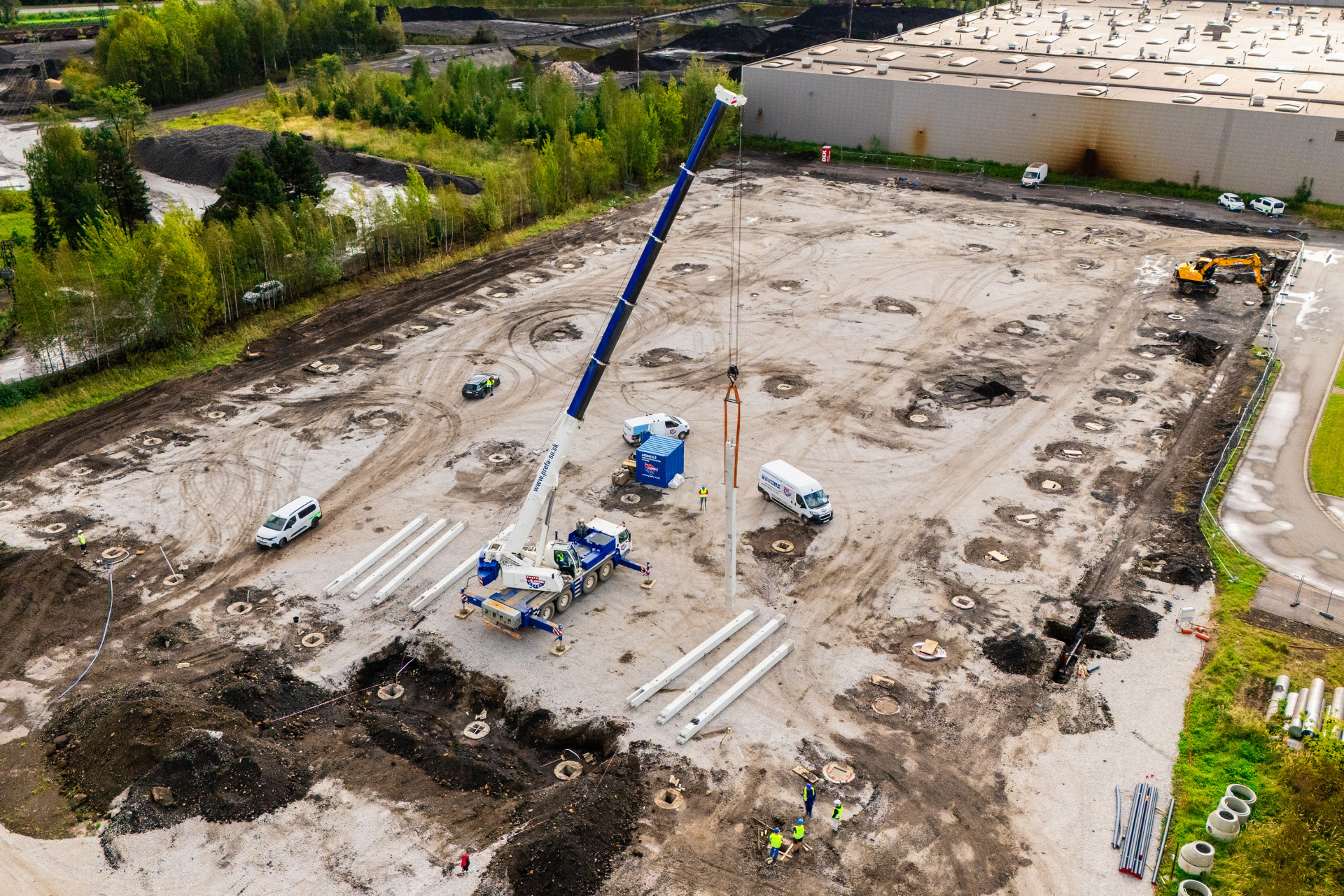
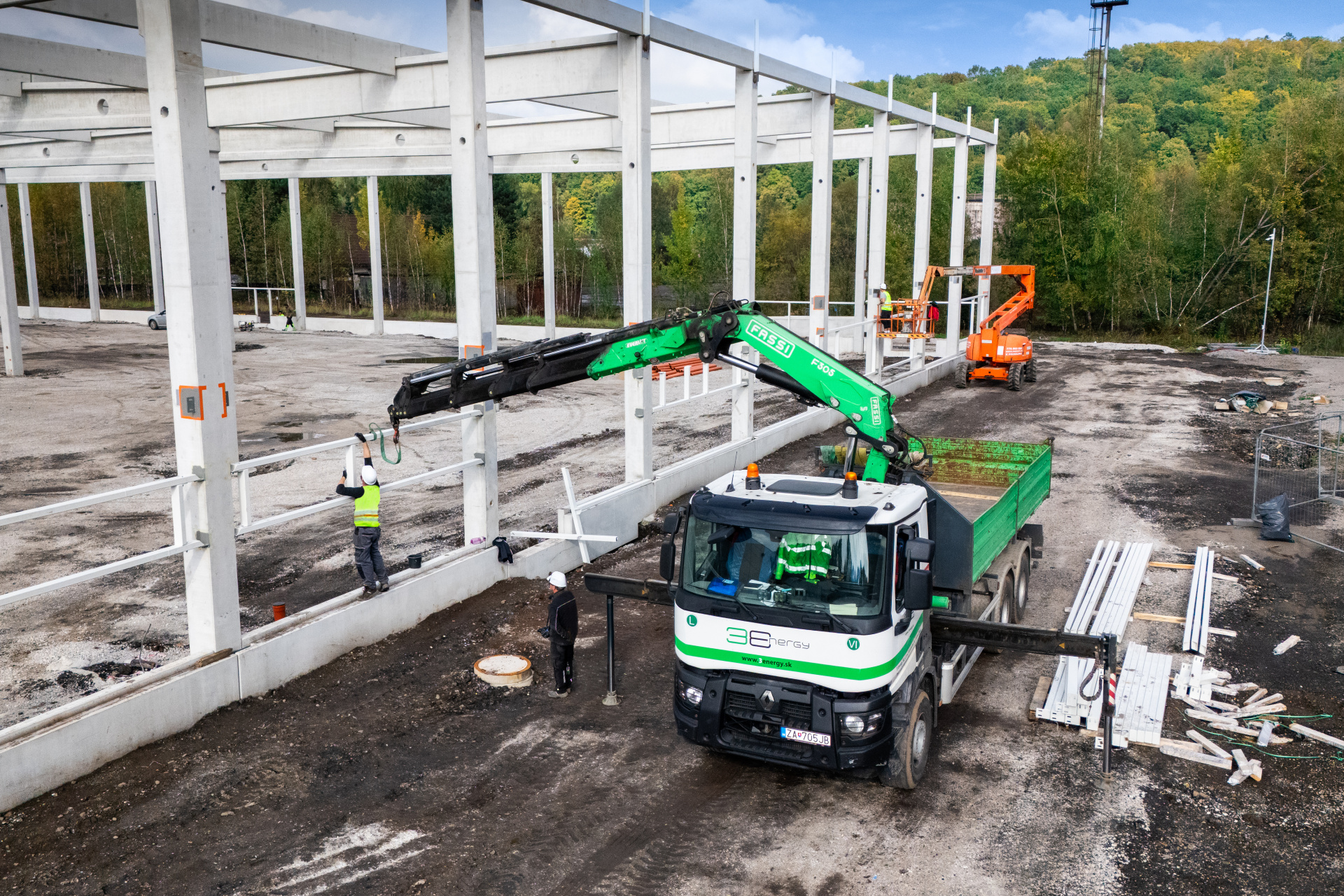
Let us imagine the construction of a production hall. The foundations are carried out by one company, the steel structure by a second, the cladding by a third and the floors by a fourth. If the delivery of the steel structure is delayed, the follow-up trades cannot continue according to the schedule. Deadlines shift, prepared capacities remain unused and costs rise. The investor has to deal with the resulting situation. When several suppliers are contracted separately, there is no entity that bears responsibility for the coordination of the entire project. Each supplier is responsible for its own part of the work, but no one for the result as a whole.
The main benefits of a general contractor
- One schedule, one responsibility. The general contractor is responsible for meeting the completion deadline of the entire work, not just for individual partial deliverables. If one trade falls behind, it must take such measures as are needed to meet the set deadline. When several suppliers are contracted separately, each of them primarily optimizes the fulfilment of its own contract.
- Responsibility for the coordination of the individual trades. Construction is a process in which dozens of activities and deliveries follow on from one another. The greatest risks arise at the interfaces between the individual trades, where precise coordination and clearly assigned responsibility are required. The general contractor ensures the execution of all trades and bears responsibility for their mutual functionality and technical compatibility.
- One warranty for the entire work. If a fault or defect appears after the handover of the building, the investor does not have to determine which of the suppliers caused it. The general contractor bears responsibility for the work as a whole and ensures the removal of defects without shifting responsibility between the individual trades.
When does self-managed coordination make sense?
Self-managed coordination can be effective above all in cases where the investor has an experienced in-house team capable of managing the project and coordinating the individual suppliers. It may also be suitable for smaller and technically less demanding buildings.